
Breast correction – your options in the event of complications following breast surgery
The key facts
|
|
|
|
|
What corrective procedures are possible after breast surgery?
Complications can occur after surgery, although this is rare and often cannot be foreseen. We have extensive experience in providing comprehensive advice and the best possible support in those rare cases.
Some changes, such as being able to feel the implant edges, visible ripples on the implant surface or painful hardening, can occur after breast augmentation procedures. Breast reduction surgery may occasionally result in asymmetry or scarring problems.
Should problems arise, we offer various corrective options, including:
- Implant replacement
- Lipofilling (fat tissue transfer)
- Scar correction and scar treatment
- Tightening of the skin
If you have any questions or concerns, we are happy to provide you with personal advice, possible corrective procedures or a second opinion.
"Every woman undergoing breast reconstruction deserves to have individualised and natural results – my goal is to fulfil this wish."
About the treatment
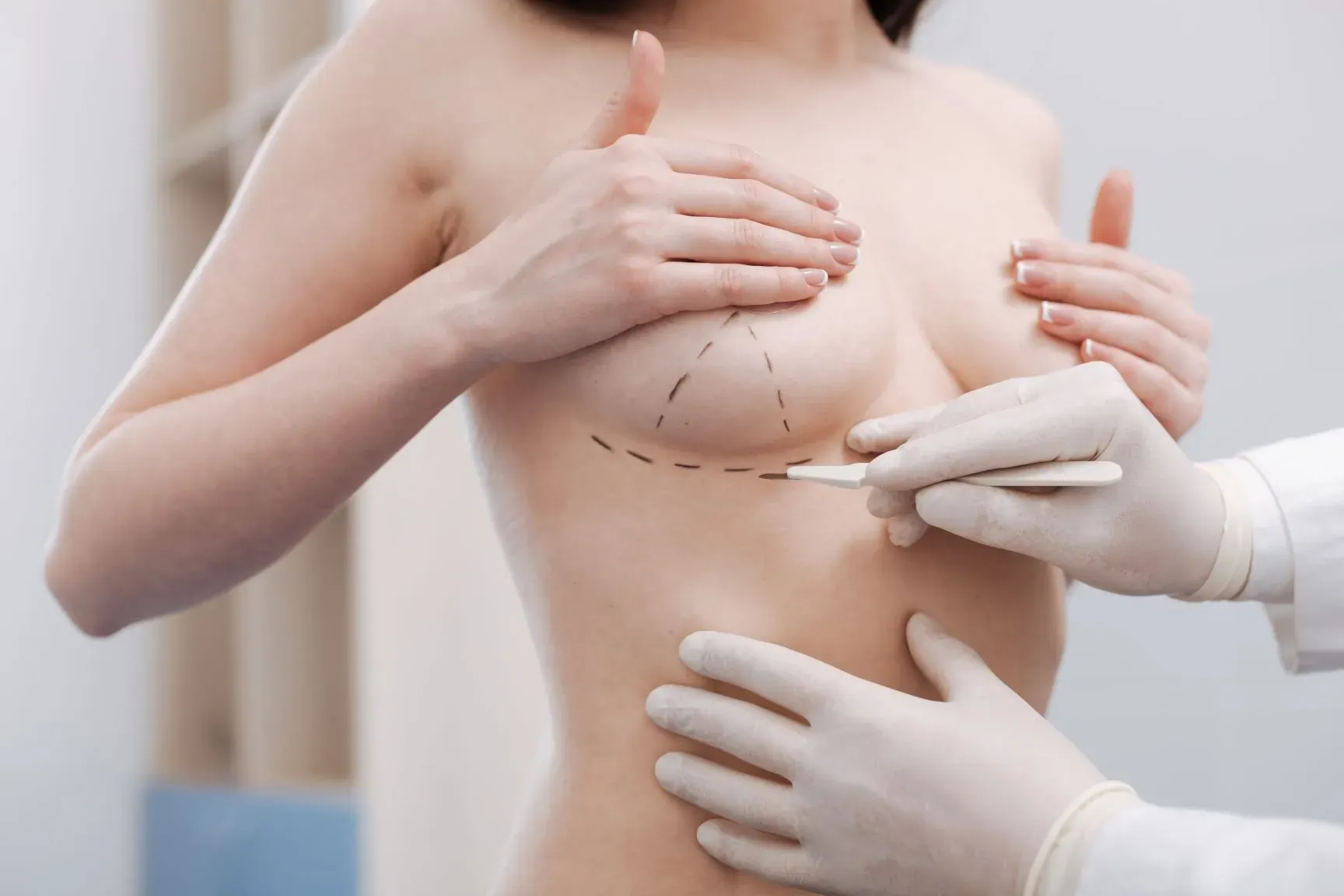
Corrective surgery helps to remedy unwanted changes following breast surgery. An implant replacement involves removing an existing implant and inserting a new one. Lipofilling uses the patient's own fat for shape correction. Scar correction lessens the appearance of prominent scars, either surgically or using minimally invasive techniques. A skin lift removes excess skin and reshapes the breast – for example, after weight loss or implant removal.
Typical areas of application
- Implant edges you can see or feel following a breast augmentation
- Capsular contracture (hardening and pain caused by connective tissue capsule around the implant)
- Implant displacement or rotation
- Asymmetries after breast augmentation or reduction
- Dissatisfaction with the shape, size or result of the first operation
- Scar issues (e.g. raised, indented or prominent scars)
- Skin sagging or excess skin after weight loss since the procedure
When is it recommended?
- When patients experience medical issues such as pain, hardening or functional limitations
- In the event of implant-related complications (e.g. defect, change in position)
- When tissue weakens due to ageing or external influences
- Upon the patient's request to optimise shape or symmetry if the aesthetic result is unsatisfactory
FAQs
What anomalies can occur after surgery?
After surgery, you may experience pain, hardening or changes in your breasts. If you notice any such symptoms, please do not hesitate to contact us at any time.
Does health insurance cover the costs of a corrective procedure?
Whether the health insurance fund will cover part of the costs of a corrective procedure depends on the individual case. In cases of medical necessity, the costs are often covered, whereas cosmetic corrective procedures usually have to be paid for privately. We will be happy to advise you on your options and assist you in clarifying matters with your health insurance provider.

Booking options
