
PRP therapy for skin regeneration
The key facts
|
|
|
|
|
|
|
What is PRP?
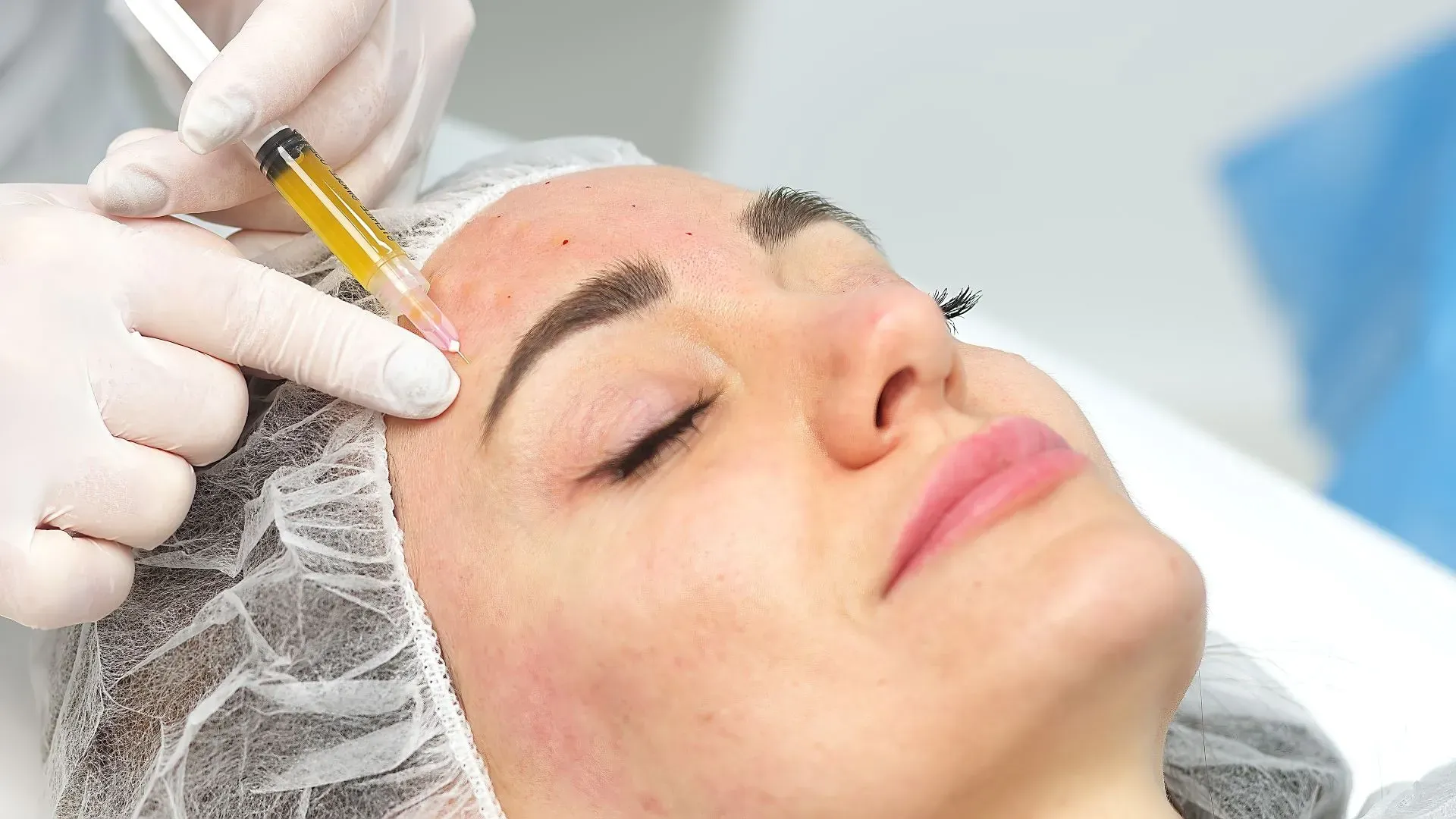
PRP stands for "platelet-rich plasma", which is extracted from the patient's own blood. This autologous blood therapy uses natural growth factors and regenerative cell components to rejuvenate skin. After the blood has been taken, the PRP is processed in a centrifuge before being inserted back into the skin – either through fine injections or using a Dermapen. The method promotes collagen formation, skin renewal and elasticity – without any foreign substances and with particularly natural results.
About the treatment
PRP activates the body's own repair processes and is ideal for patients who want to improve the texture of their skin without artificial active ingredients. The treatment is particularly popular for refining pores, smoothing fine lines and refreshing the skin.
Typical areas of application
- Face (for more glowing and tighter skin)
- Eye area (for dark circles under the eyes)
- Neck and décolletage
- Hands
- Acne scars or surgical scars
- Fine lines and loss of elasticity
- Scalp (e.g. in cases of hair loss)
When is it recommended?
- For tired, dull-looking skin lacking elasticity
- To regenerate the skin after intensive treatments
- For fine lines or the first signs of ageing
- For patients who prefer natural methods
“Nobody is perfect, but everyone is unique in their own way.”
FAQs
Is the treatment painful?
PRP treatment is not generally considered painful. If necessary, an anaesthetic cream can be applied before treatment to make the procedure as comfortable as possible. Patients usually report just a slight feeling of pressure or tension during the injection.
How will my skin look straight after the treatment?
Immediately after treatment, the skin may be slightly reddened or sensitive – similar to after a mild sunburn. In some cases, small bruises may appear, but these will fade after a few days. The skin usually regenerates quickly.
Can the treatment still be administered in the summer?
Yes, PRP treatment is generally possible during the summer months. However, it is recommended to avoid direct sunlight in the first few days after treatment and to use a high sun protection factor to give the skin the best possible protection.
Can the treatment also be used on darker skin?
Yes, PRP is suitable for all skin types, including darker skin. As this therapy uses the patient’s own blood, the risk of pigmentation changes or other side effects is particularly low.

Booking options
